![C&G Partners [logo]](https://www.cgpartnersllc.com/wp-content/uploads/2025/09/CGP20_black_orange_RGB.png)

Before Central Park or Prospect Park, there was Green-Wood. Founded in Brooklyn in 1838, The Green-Wood Cemetery quickly became one of New York’s great public landscapes—a place not only for burial, but for nature, recreation, art, architecture, and gathering. Today, its 478 acres are still an active cemetery, but also an arboretum, historic landscape, ecological habitat, cultural institution, and setting for exhibitions, performances, tours, and public programs.
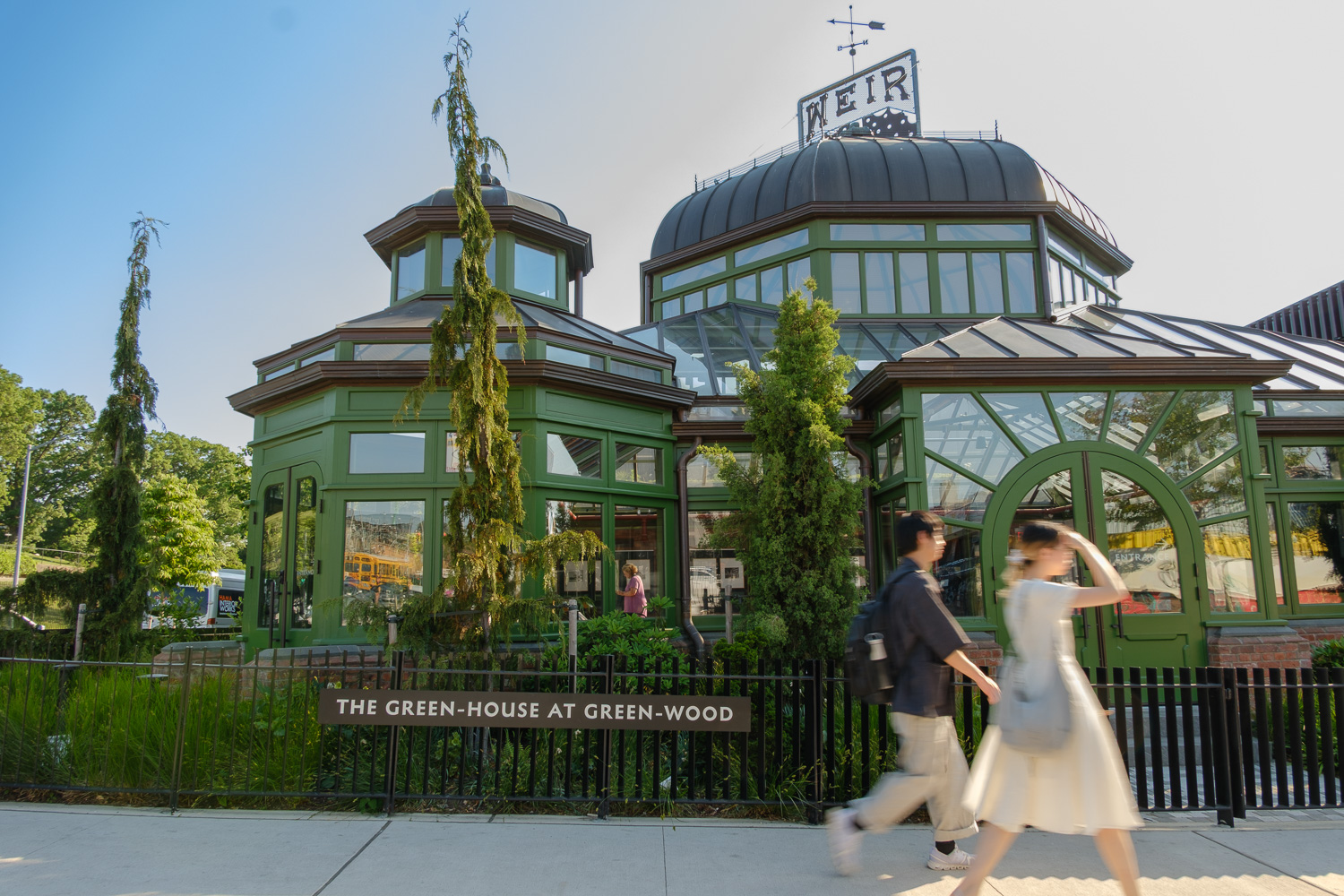
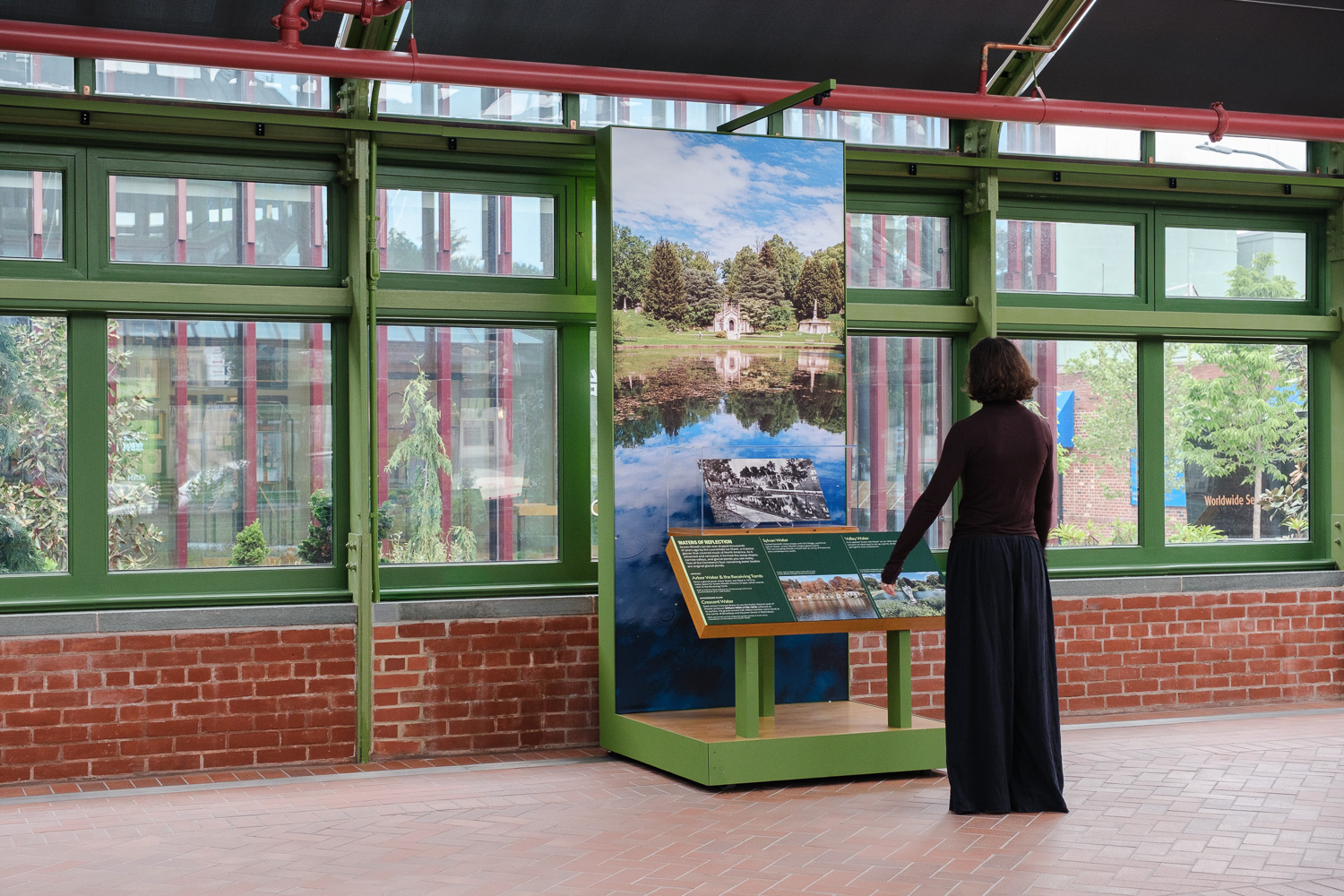
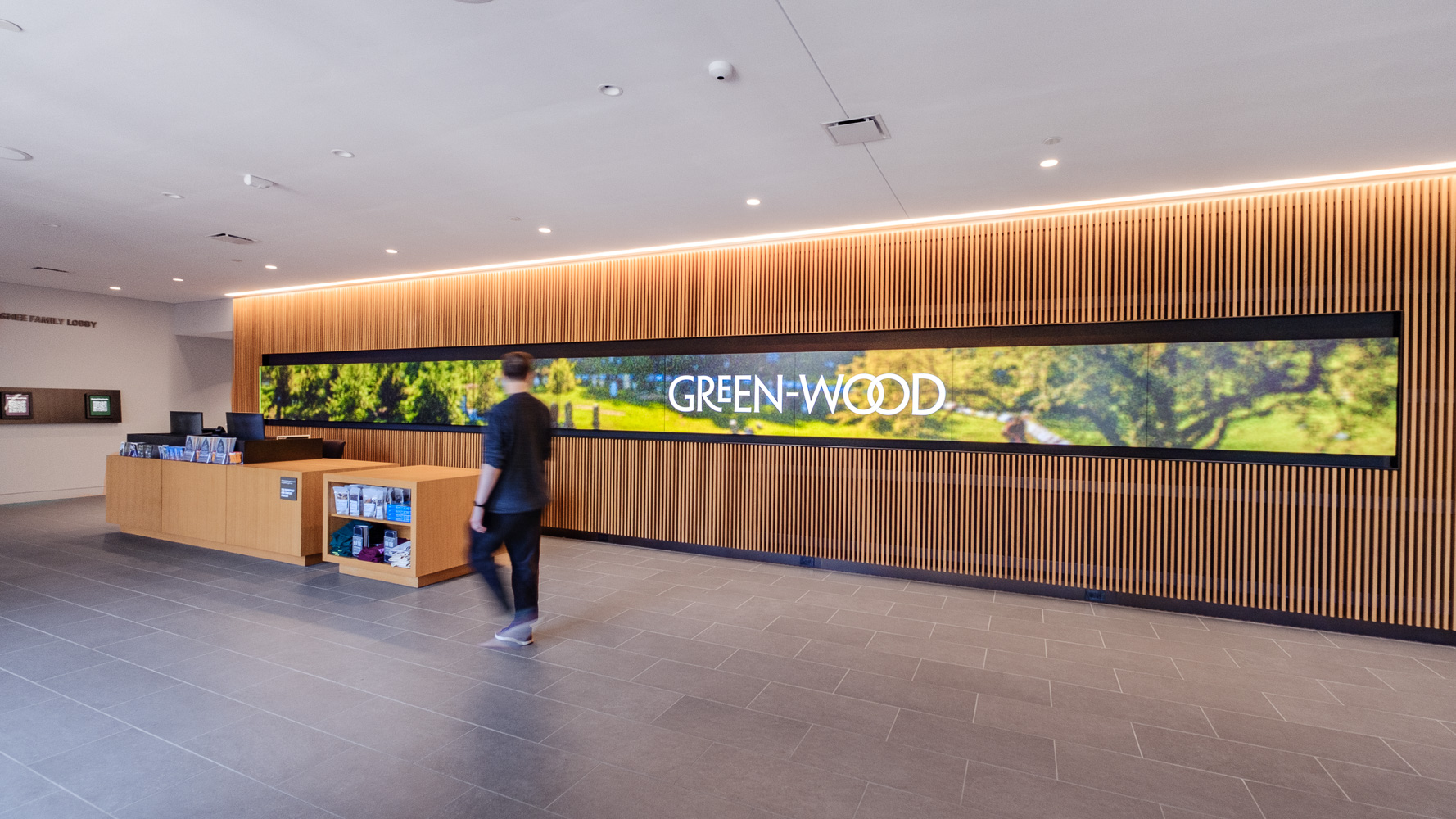
The Green-House at Green-Wood gives that broader public life a new home. Designed by Architecture Research Office, with landscape by Michael Van Valkenburgh Associates, the 19,200-square-foot education and welcome center incorporates the restored 1895 Weir Greenhouse into a new complex of galleries, archives, visitor services, research spaces, and rooms for programming and events. C&G Partners designed the exhibitions, environmental graphics, signage, and wayfinding throughout.
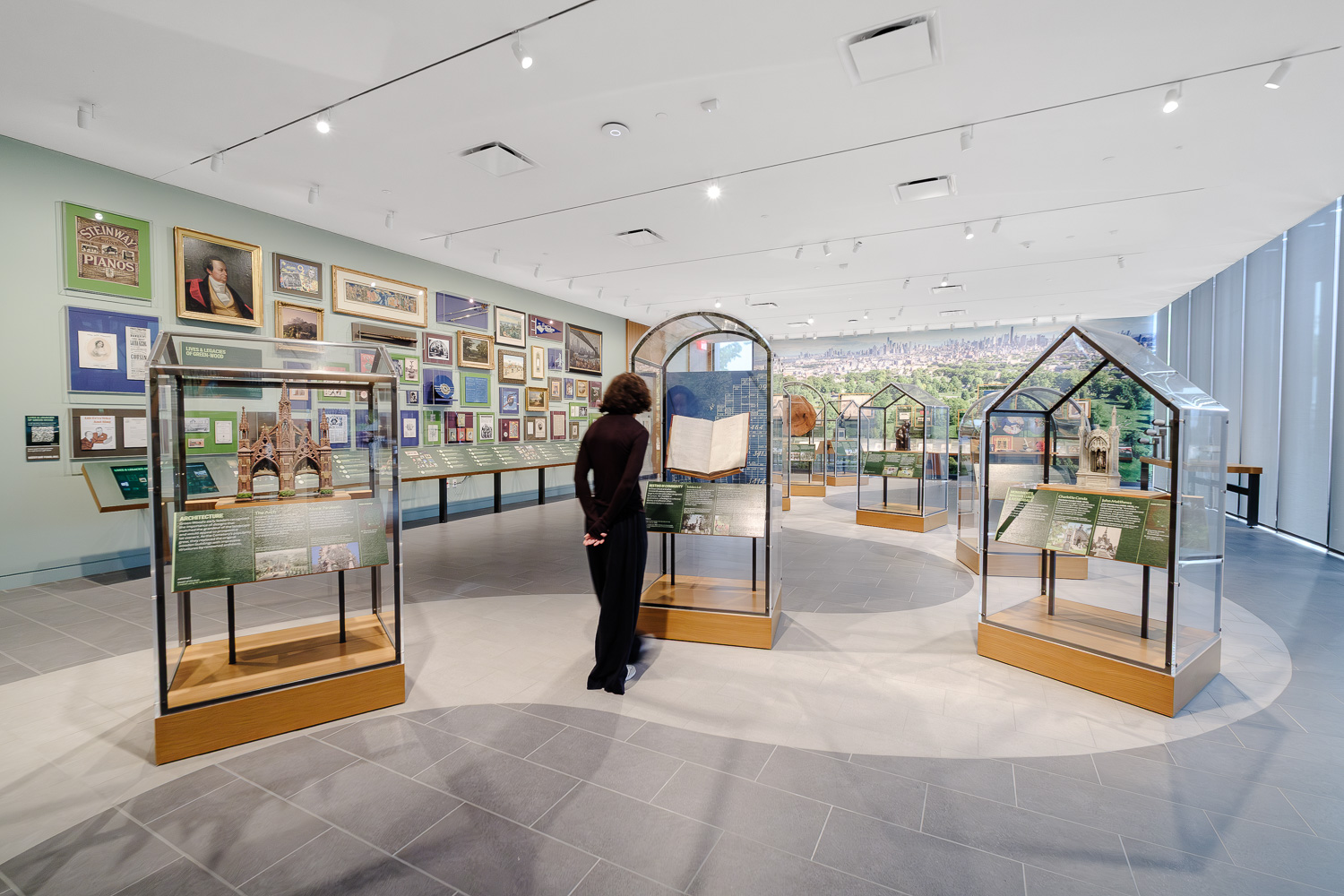
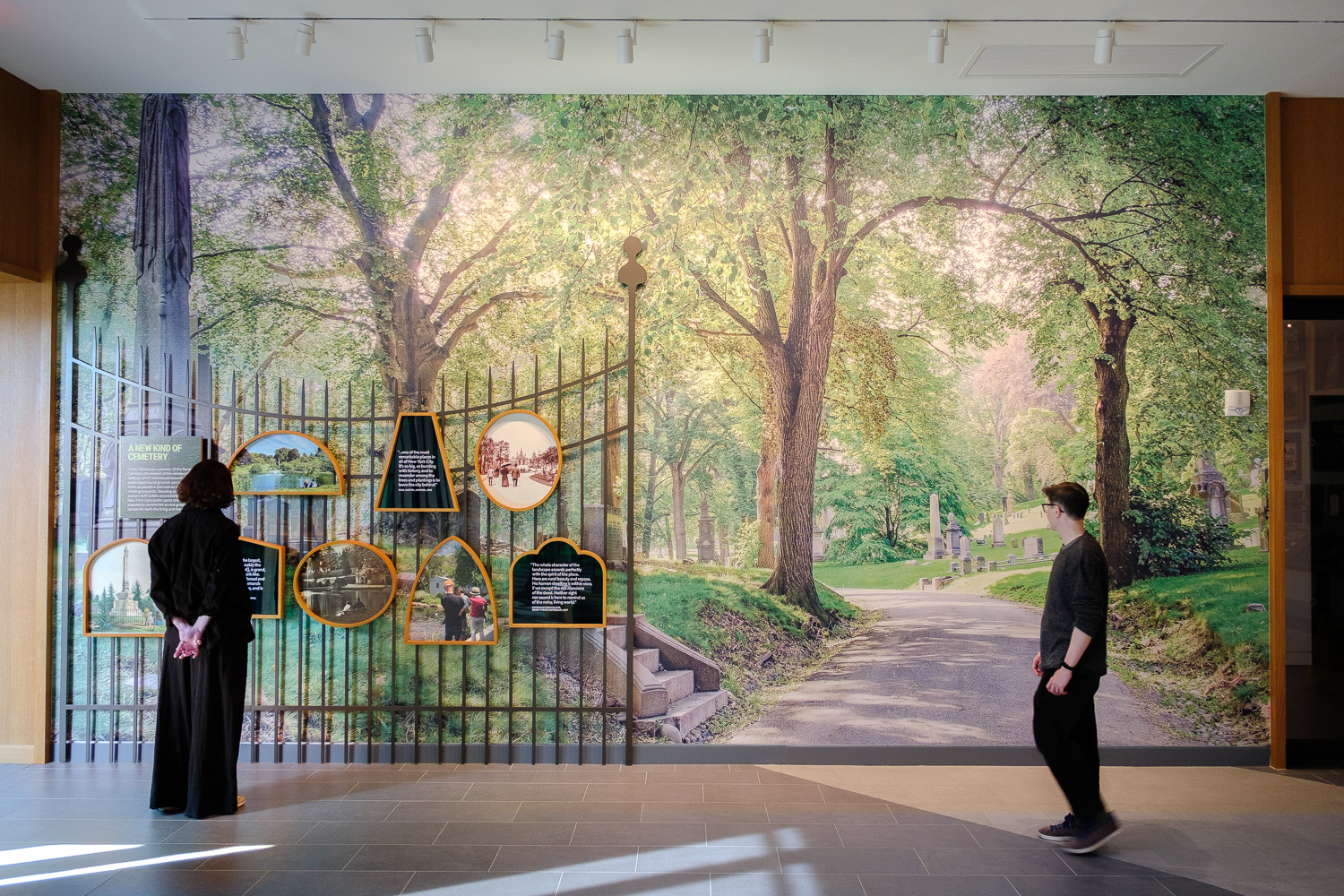
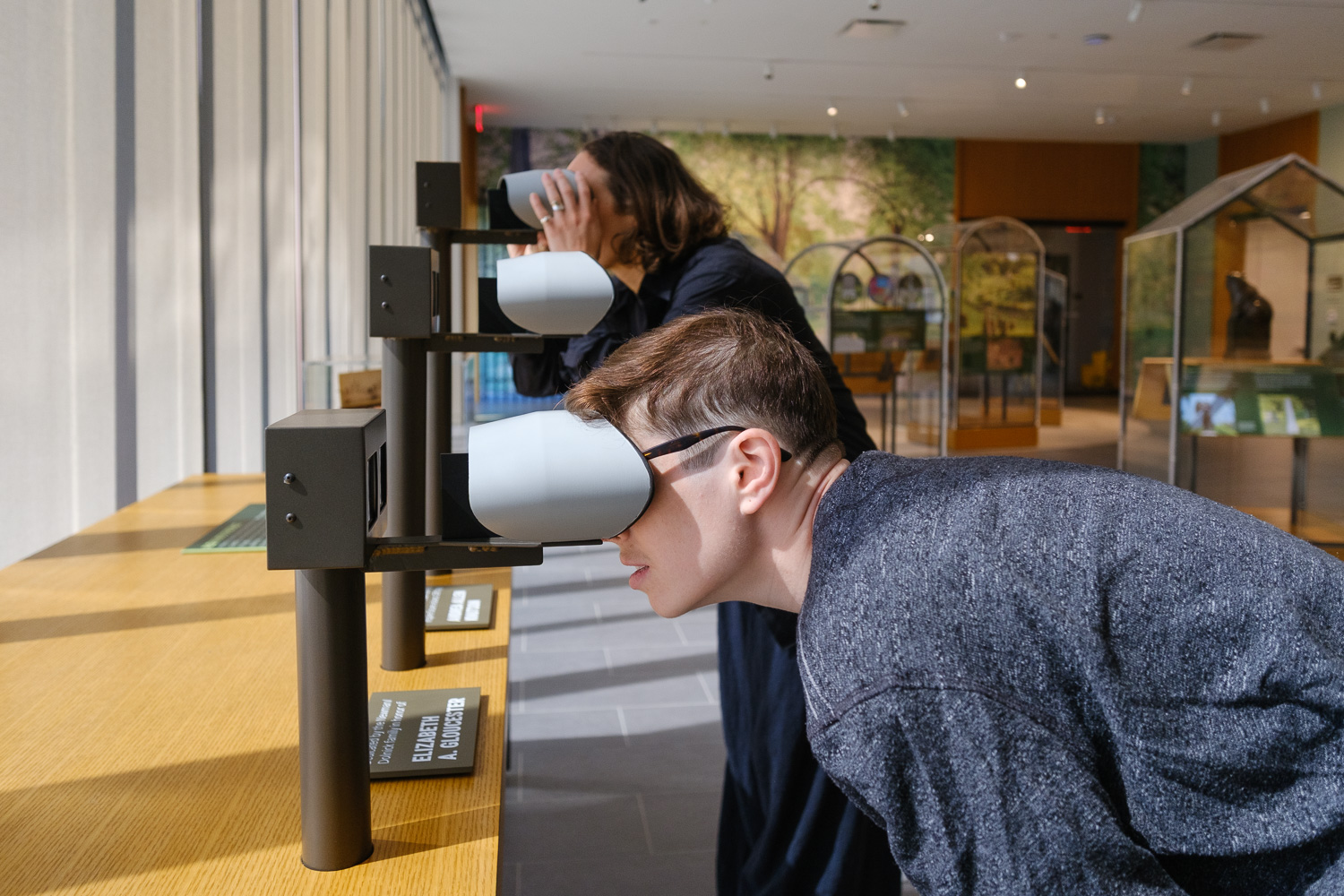
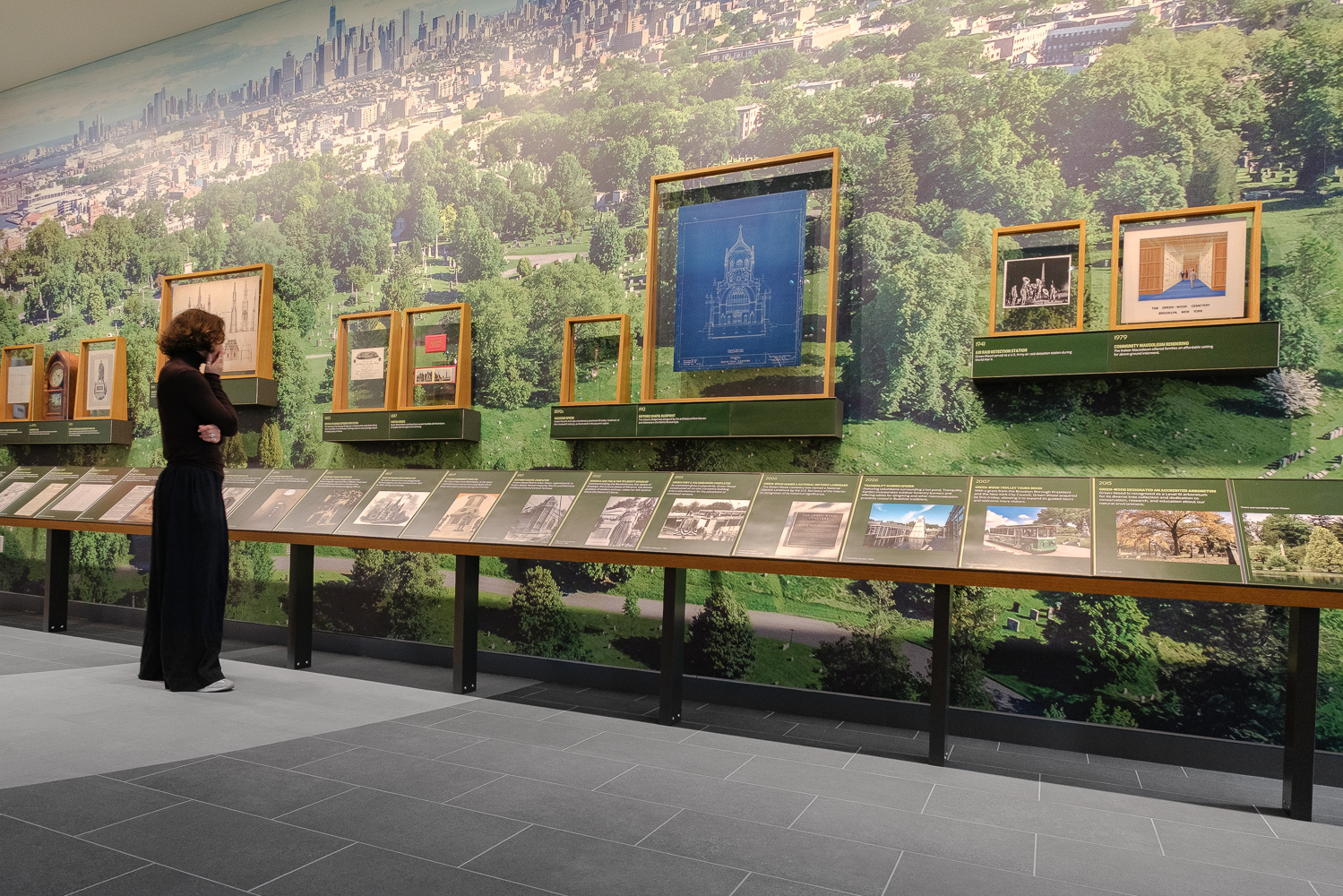
The exhibitions draw from Green-Wood’s archives and collections to connect its landscape, history, architecture, ecology, and the lives of the people buried there. The galleries themselves take cues from the cemetery: a meandering path recalls Green-Wood’s winding roads , glass-and-metal cases echo the forms of monuments, and large-scale photography brings the surrounding landscape into the room. A timeline traces Green-Wood’s evolution alongside the city, while a salon wall brings together art, artifacts, archival material, and stories from across the institution’s history.
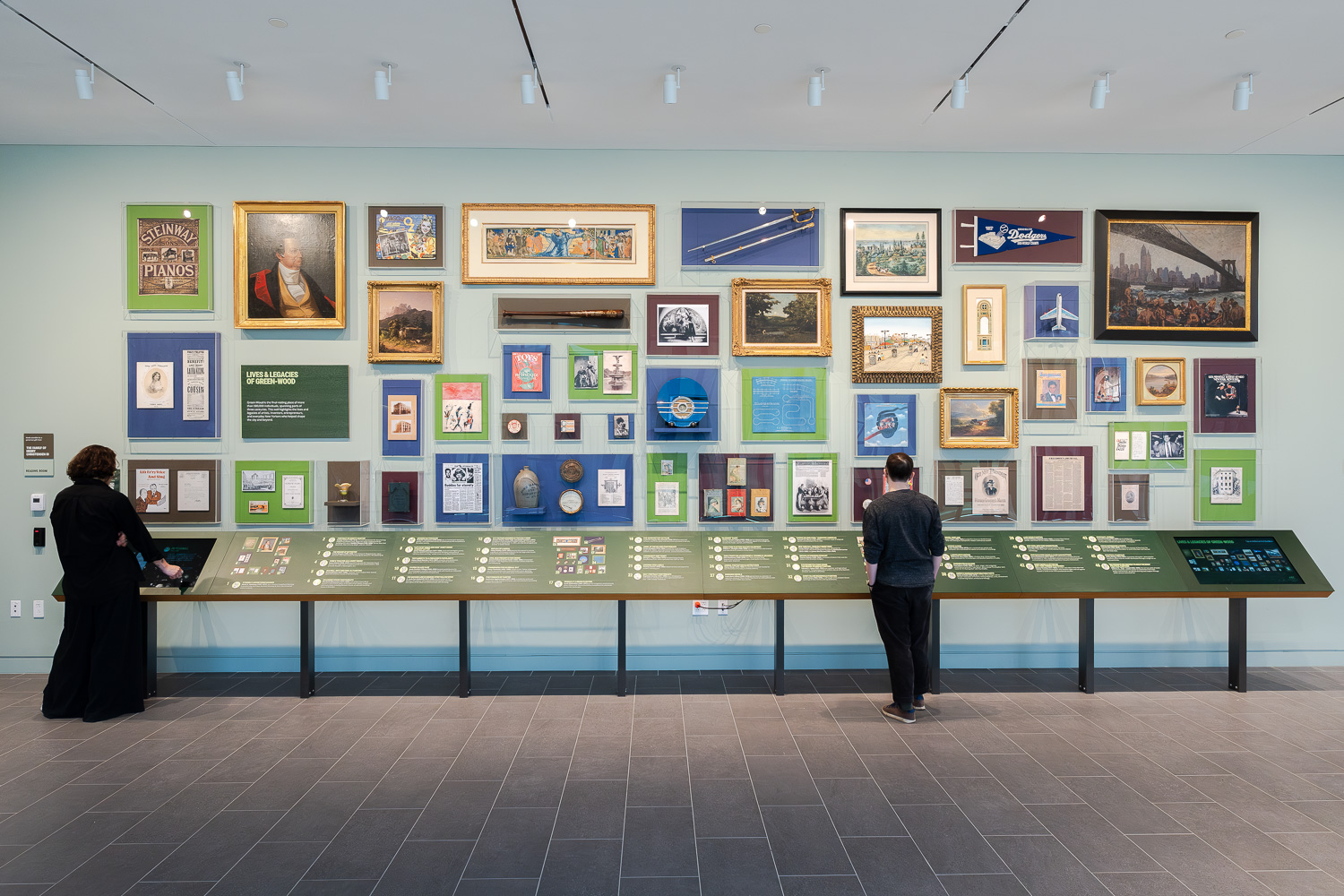
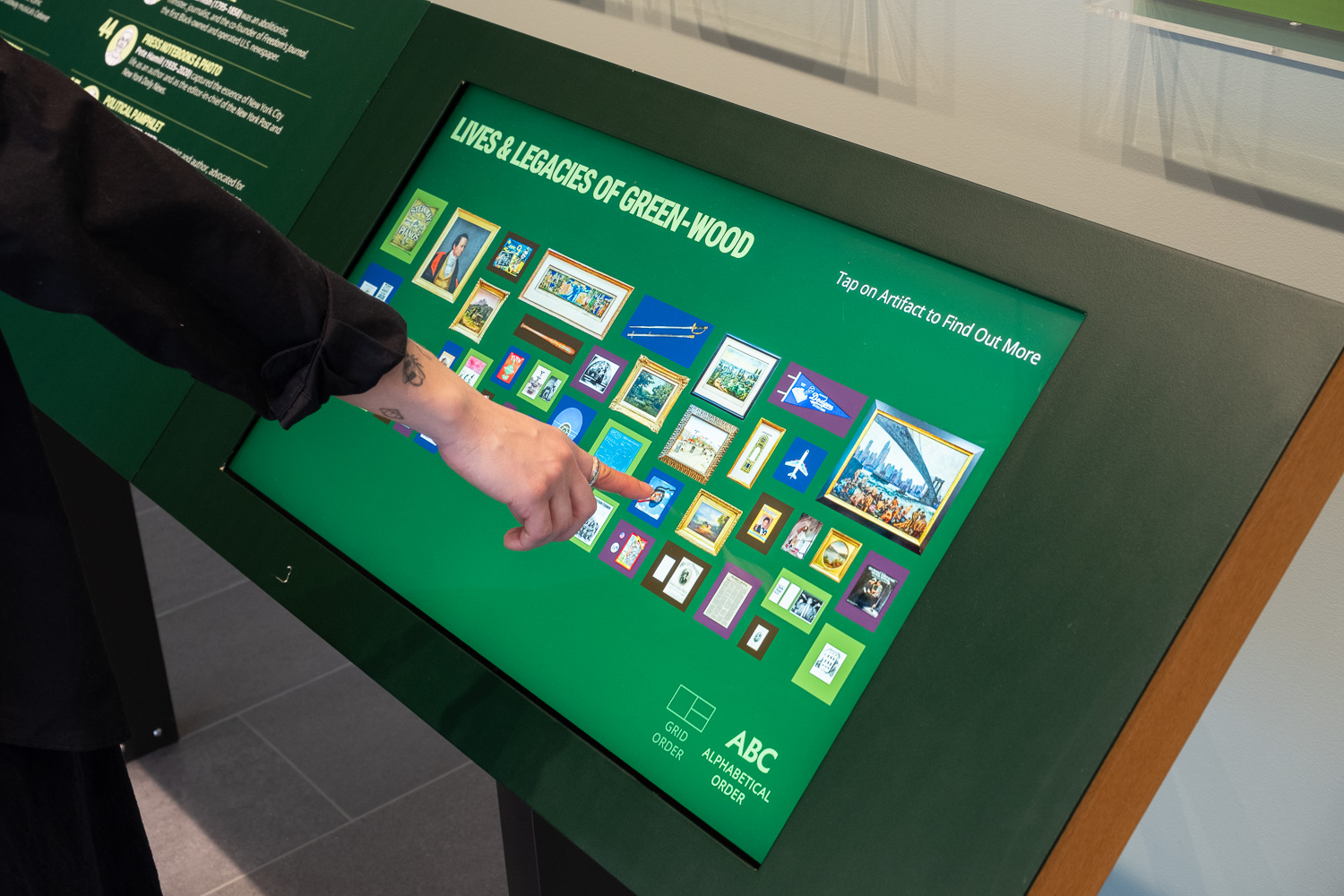
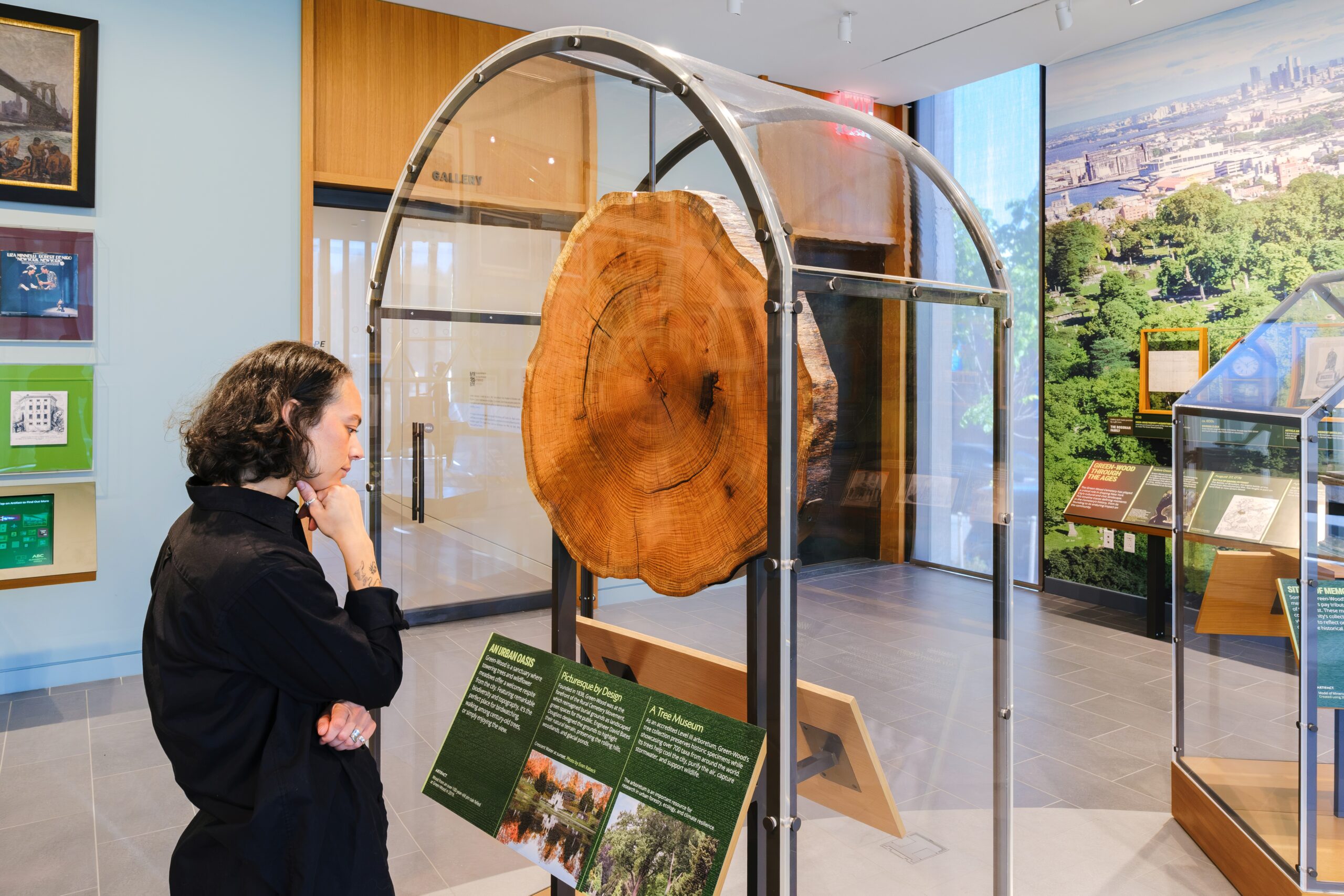
Throughout, the visual language draws on Green-Wood without becoming overly literal. Deep greens, earthy tones, and brighter Victorian colors are paired with simplified references to gates, arches, monuments, and landscape forms. Transparent materials help preserve long views through the galleries, keeping the exhibition visually connected to the landscape beyond.
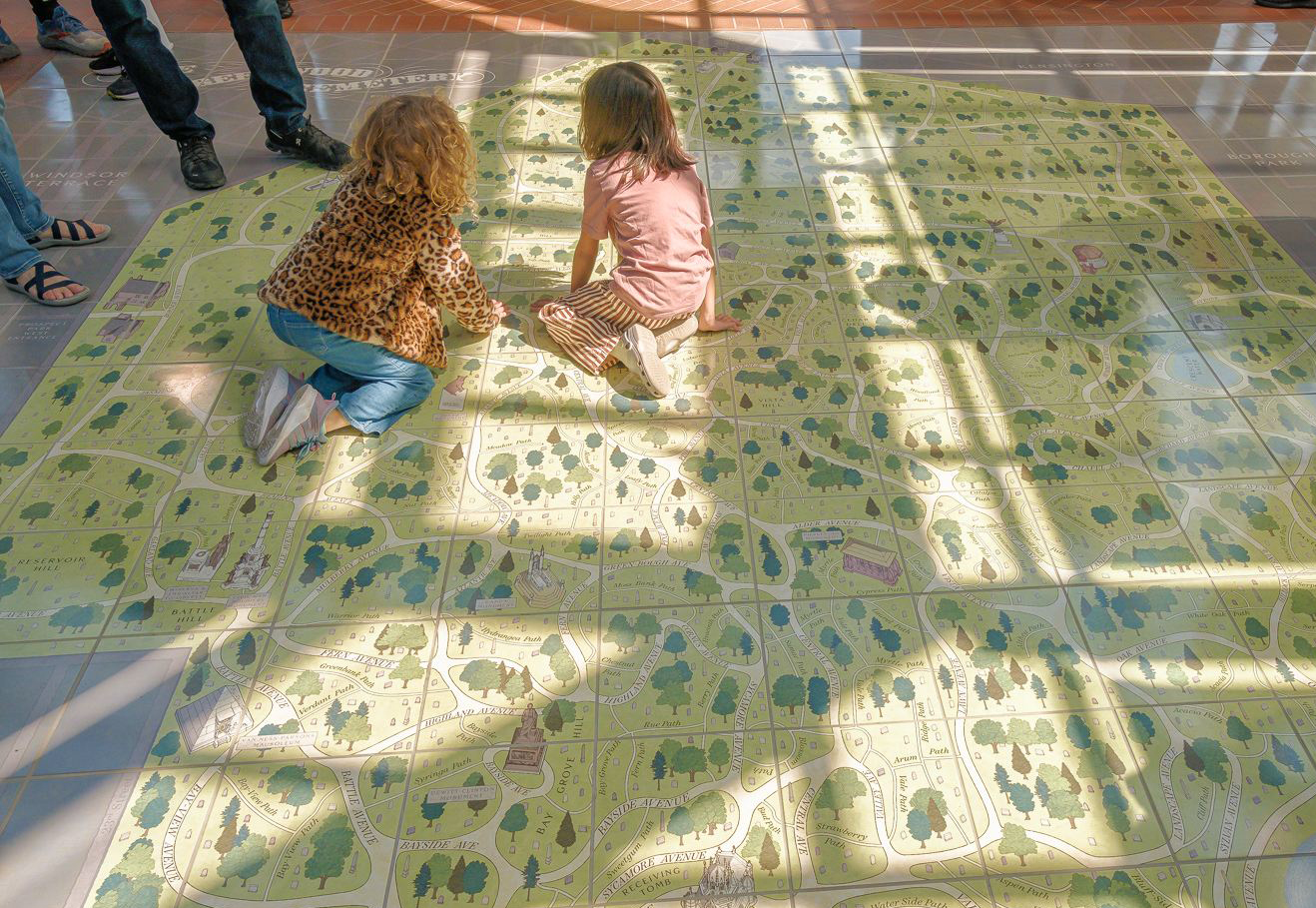
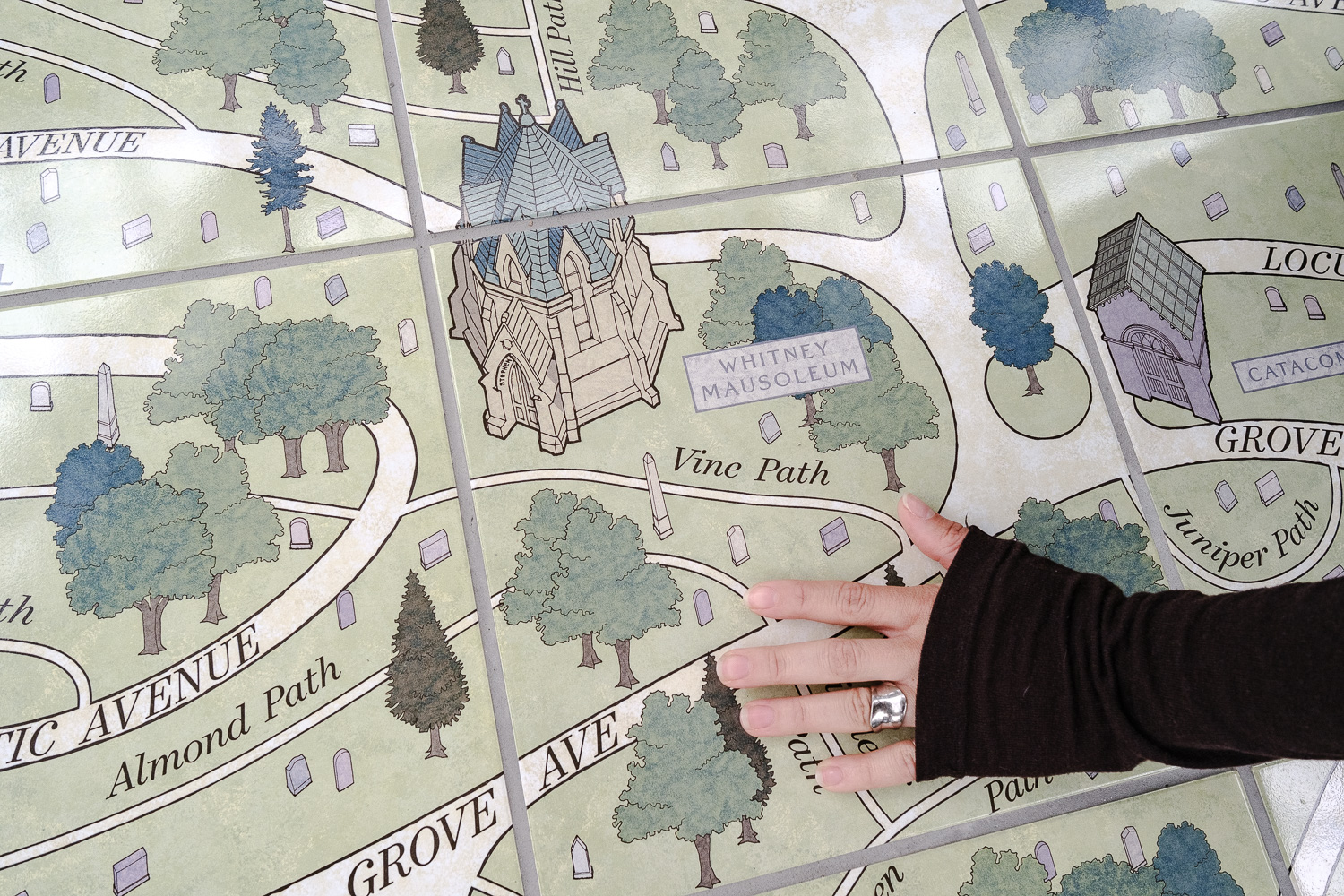
The restored greenhouse shifts the focus toward Green-Wood as a physical place. Its centerpiece is a 17-by-17-foot illustrated porcelain map of the cemetery, depicting its roads, paths, trees, water, monuments, and architecture in rich detail. More portrait than diagram, the map makes the scale and complexity of the landscape immediately legible while inviting visitors to explore it for themselves.
Flexibility was equally important. Movable cases, adaptable framing systems, replaceable graphic elements, and digital displays allow the spaces to support changing exhibitions, education programs, events, and rentals. The Green-House was designed not as a fixed museum experience, but as a working cultural resource.